
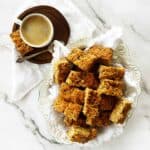





All Bran Rusks
These are the rusks I grew up dunking in tea before school, and the ones I still make in big batches when I miss home. Crunchy, buttery, just sweet enough, with that rustic bran texture that holds its shape without going to mush. All bran rusks are the everyday SA beskuit - the ones tins of get passed around at every farm stall and church sale, and the ones every South African family has a slightly different version of.

This recipe makes 80, which sounds mad until you realise that's about a month's worth of breakfast dunkers for one person. They keep for weeks in an airtight tin, and they're cheaper to make than to buy. If you're new to South African baking, this is a great place to start - and once you've got the hang of these, have a crack at pampoenkoekies next, or browse the rest of my South African recipes.
Jump to:
- What exactly are rusks?
- Quick look: all bran rusks
- Summarise and save this recipe with:
- Why you'll love these all bran rusks
- Ingredients for all bran rusks
- Instructions
- Pro Tip:
- Substitutions for all bran rusks
- Variations of all bran rusks
- Serving ideas
- How to store all bran rusks
- A few extra notes
- Equipment
- Top Tips
- All bran rusks FAQ
- More South African recipes
- South African desserts
- All Bran Rusks
- More South African rusk recipes
What exactly are rusks?
Rusks are a South African twice-baked dry biscuit, traditionally dunked in tea or coffee. All bran rusks are one of the most popular everyday versions - made with All-Bran flakes, buttermilk and butter, baked as a slab, cut into fingers, then slowly oven-dried until rock-solid. They keep for weeks and soften to perfection in your morning cuppa.
Quick look: all bran rusks
- Prep time: 20 minutes
- Bake time: 45 minutes
- Drying time: 6 to 8 hours, or overnight
- Total time: 7 to 9 hours
- Yield: About 80 rusks
- Method: Oven baked, then oven dried
- Texture: Crunchy, hearty, slightly knobbly from the bran
- Difficulty: Easy - no mixer needed, no proving, no fuss
- Shelf life: Up to a month in an airtight tin if dried properly
Summarise and save this recipe with:
Why you'll love these all bran rusks
- Big batch, small effort: You get 80 rusks from one mixing bowl and one oven session. Make them once and you've sorted breakfast for weeks. If batch baking is your thing, the seed rusk recipe works the same way.
- Properly crunchy, not fragile: The bran flakes give them structure, so they hold up to a serious dunk without collapsing into your mug.
- Cheaper than store-bought: A tin of Ouma rusks at the SA shop costs a fortune abroad. This recipe makes about four tins' worth for the price of a few pantry ingredients.
- The everyday SA breakfast: This is the rusk South Africans actually eat, day in and day out. If you want a sweet treat instead, save room for peppermint crisp tart - different category entirely.
- Heritage in a tin: These are part of the same baking tradition as koeksisters, melktert and easy malva pudding recipe - old, well-loved, and worth keeping alive.
Ingredients for all bran rusks
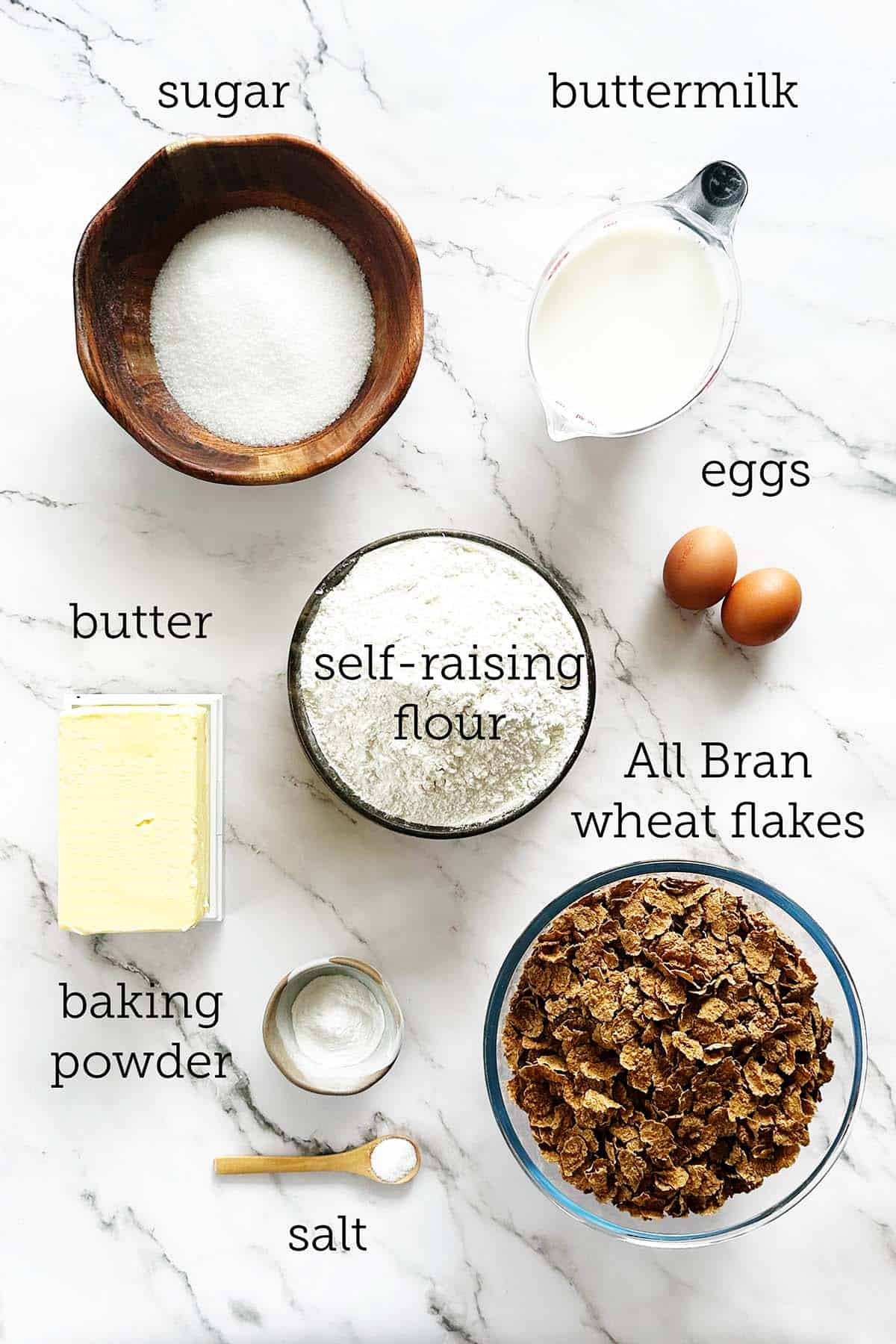
- Self-raising flour: The structural backbone. Self-raising means the leavening is baked in, so you get a consistent rise without measuring baking powder separately.
- All Bran flakes: The defining ingredient. They give that nubbly texture and the fibre that makes these the "healthy" rusk in the SA repertoire. More on the flakes-vs-twigs question below.
- Salt and baking powder: The basics. The pinch of extra baking powder lifts the slab so it doesn't bake into a brick.
- Sugar: Just enough to make them feel like a treat without crossing into biscuit territory. You can drop it slightly if you prefer them less sweet.
- Butter, melted: 500g sounds like a lot, but spread across 80 rusks it works out to about 6g each. The butter is what gives them that proper rusk crumb - rich but not greasy.
- Buttermilk: Tenderises the dough and gives a faint tang. This is what makes them buttermilk and bran rusks - the version most South Africans actually bake.
- Eggs: Two large ones, for binding and a little extra richness.
See recipe card for quantities.
Instructions
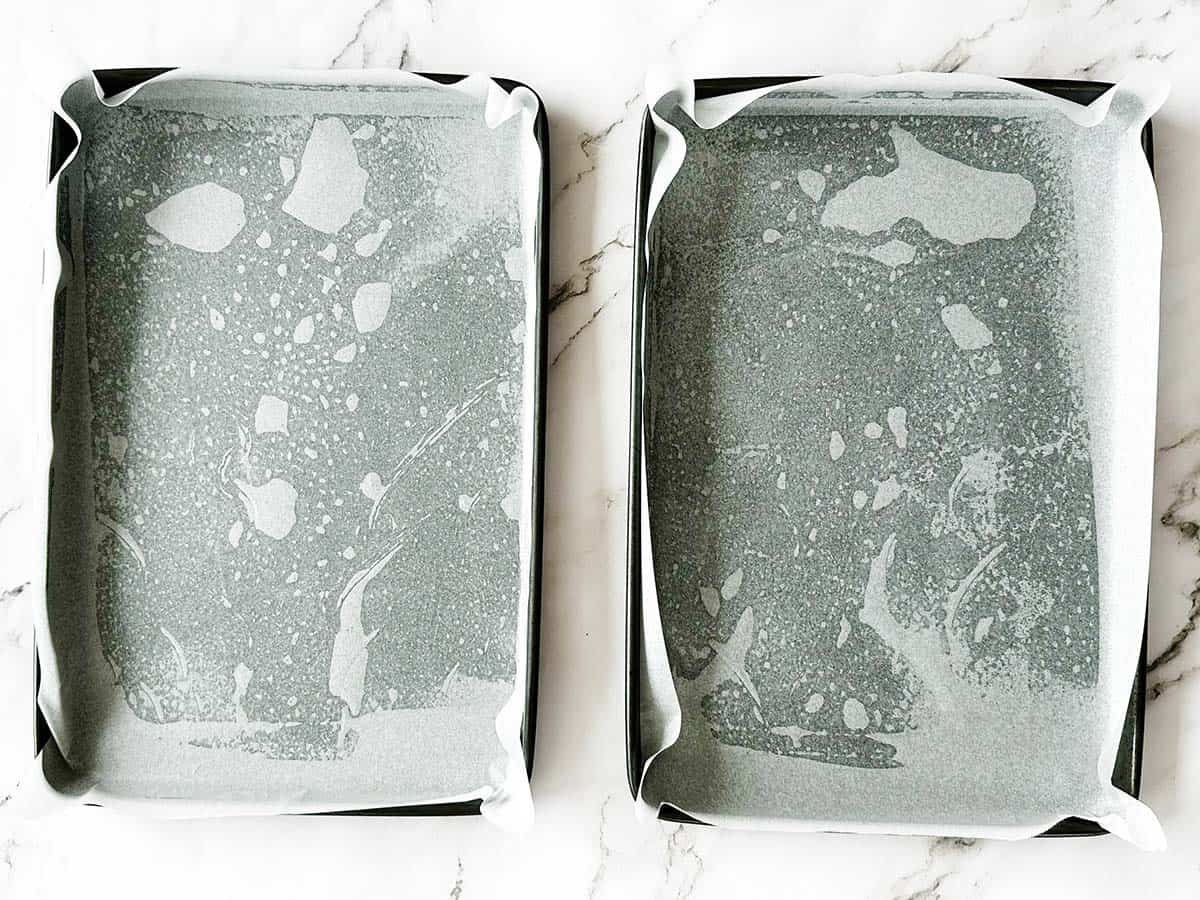
- Preheat and prep your pans. Heat the oven to 160°C fan-forced (320°F). Lightly grease two Swiss roll pans and line them with baking paper.
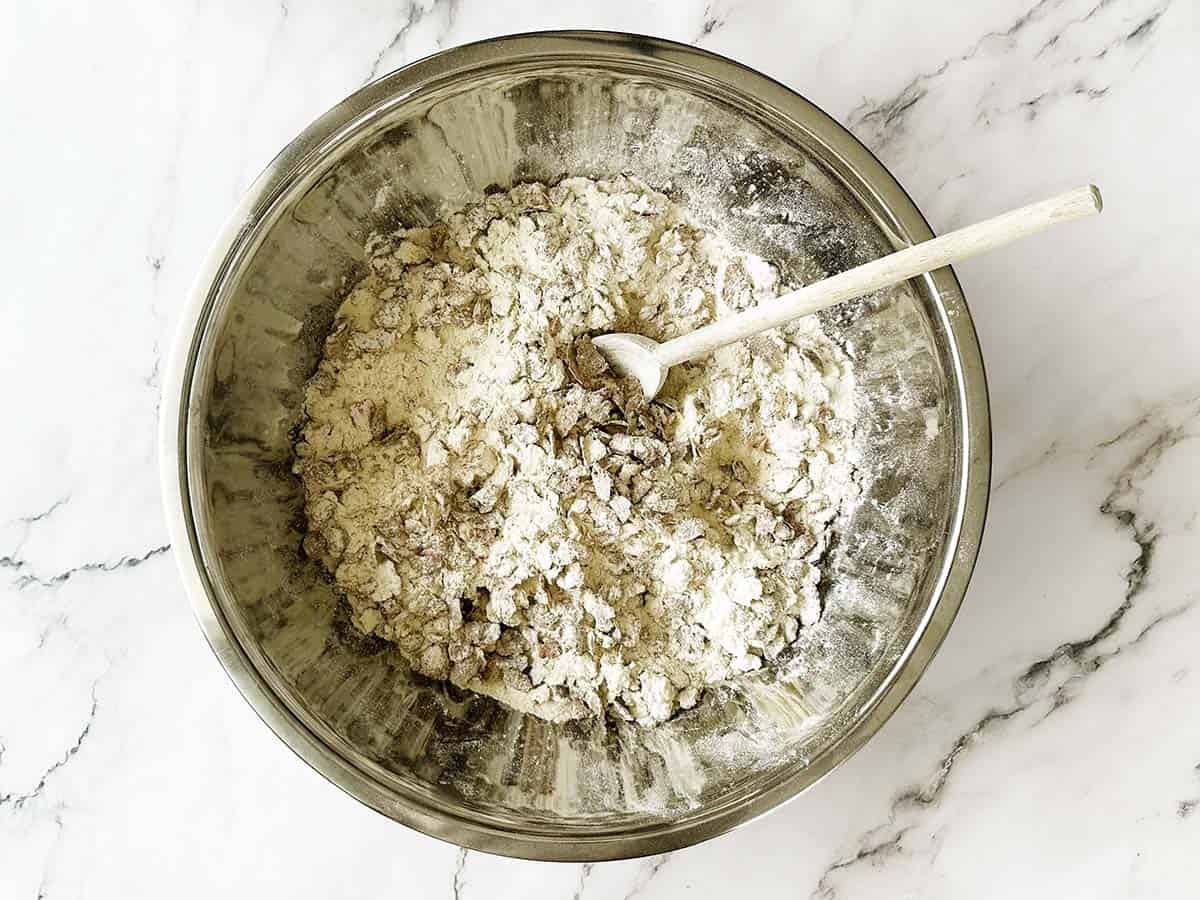
- Mix the dry ingredients. Tip the self-raising flour, All Bran flakes, salt, baking powder and sugar into your largest bowl and stir until evenly combined. The bran flakes should be coated in the flour mix.
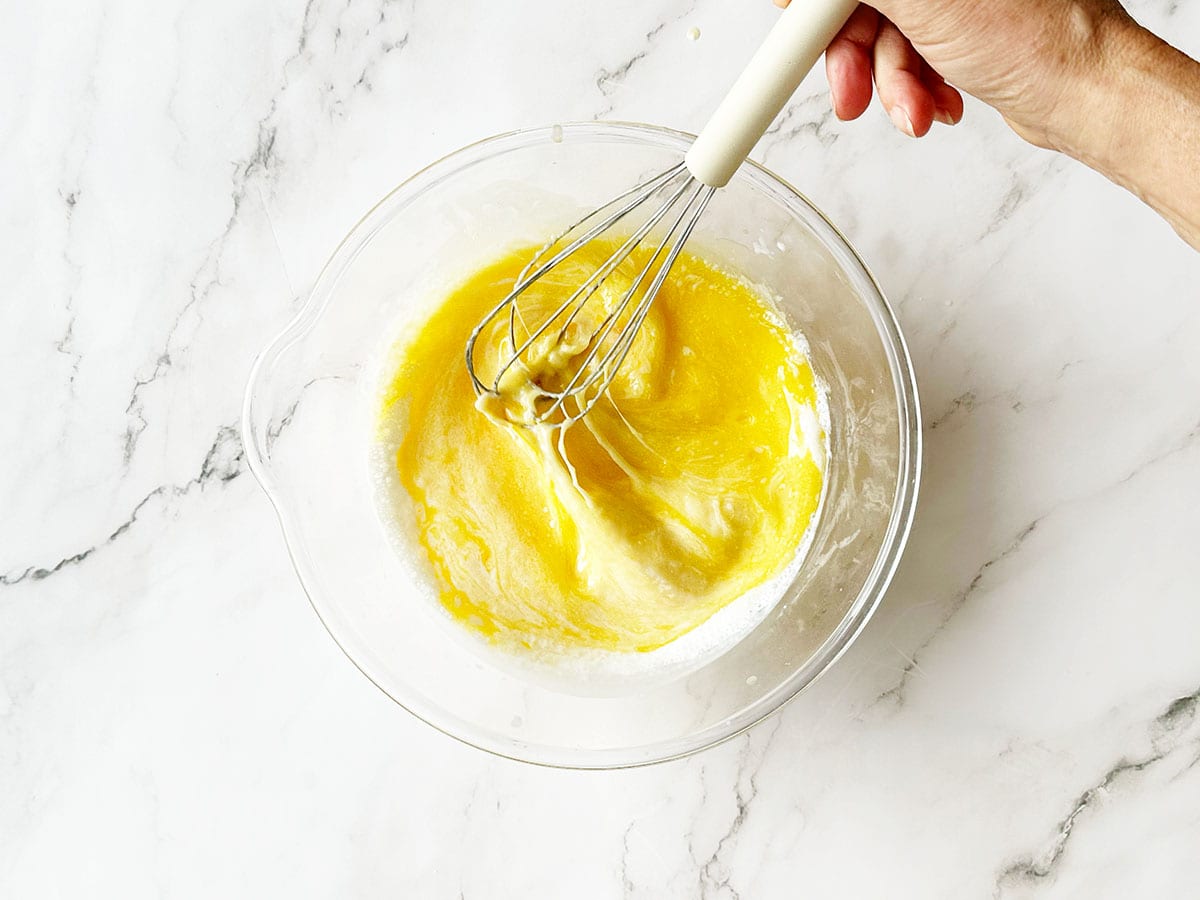
- Whisk the wet ingredients. In a separate bowl or a large jug, whisk the melted butter, buttermilk and eggs until smooth.
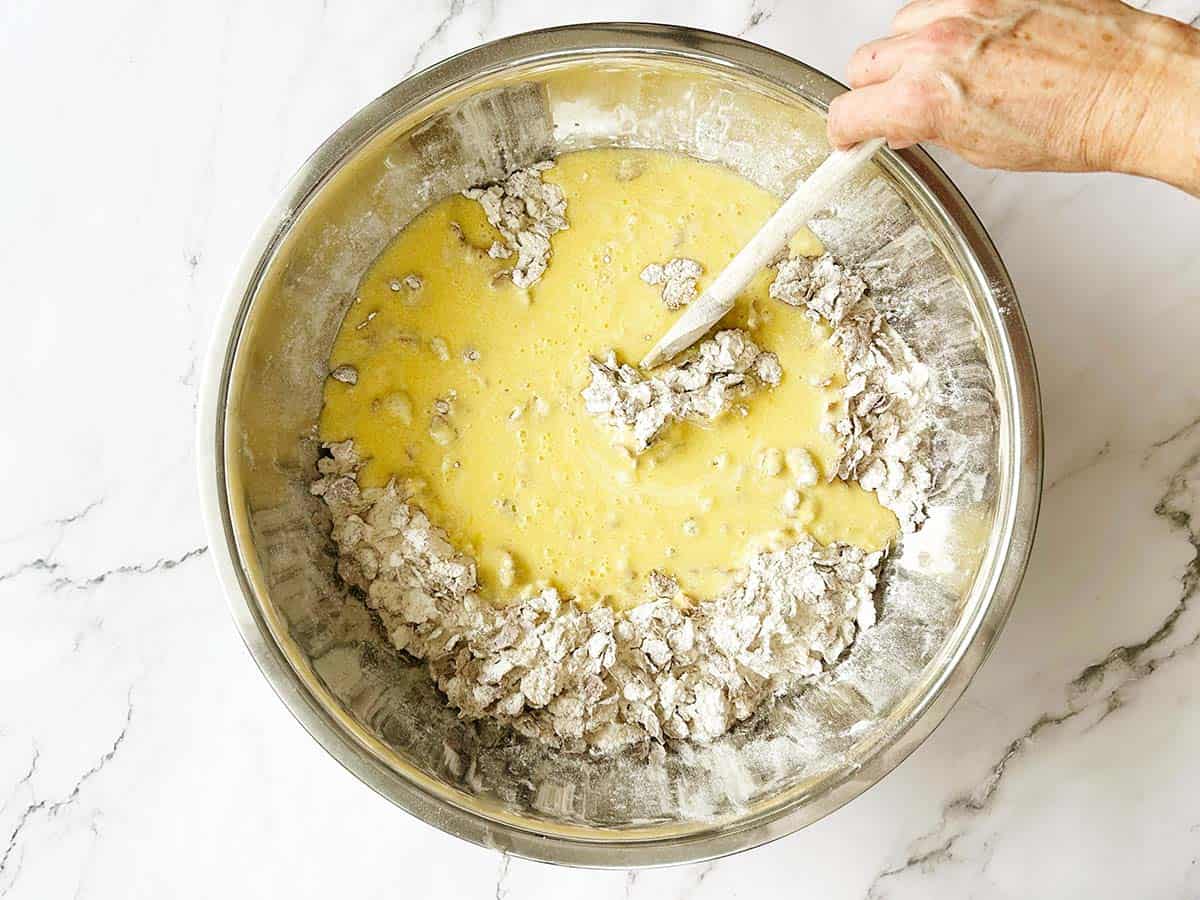
- Combine. Make a well in the centre, pour in the wet ingredients, and stir gently until the dough just comes together. Using your hands if needed. Do not over-mix.
Pro Tip:
The single most important thing here is not overmixing. Stir until the dry ingredients disappear and stop. Overmixing develops the gluten and you end up with a dense, tough rusk instead of a crumbly one. The dough will look a little rough - that's exactly right.
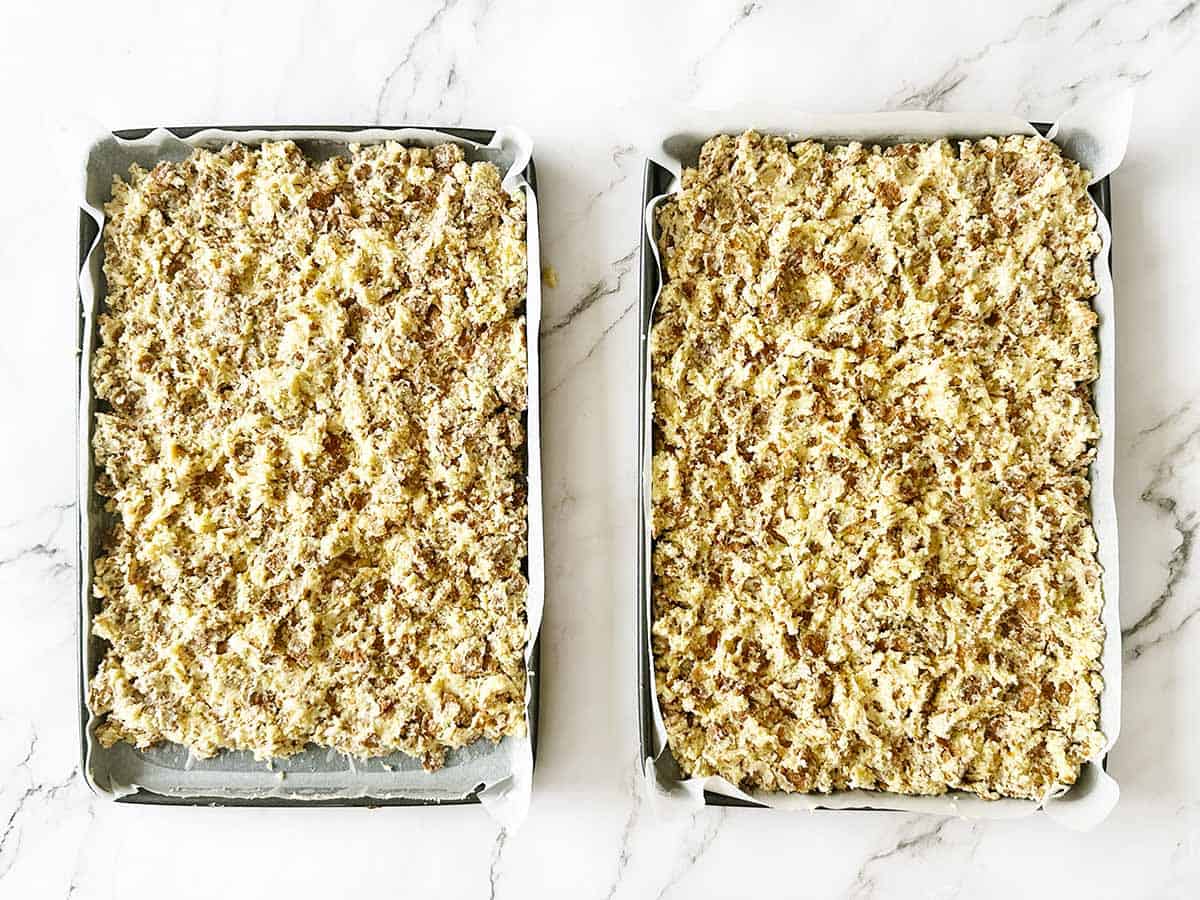
- Fill the pans. Divide the dough evenly between the two prepared pans. Use your hands or the back of a wooden spoon to spread it out and level the top. Don't press down hard - you want the dough loosely packed, not compacted. Bake for 45 minutes, until the tops are golden and a skewer pushed into the centre comes out clean.
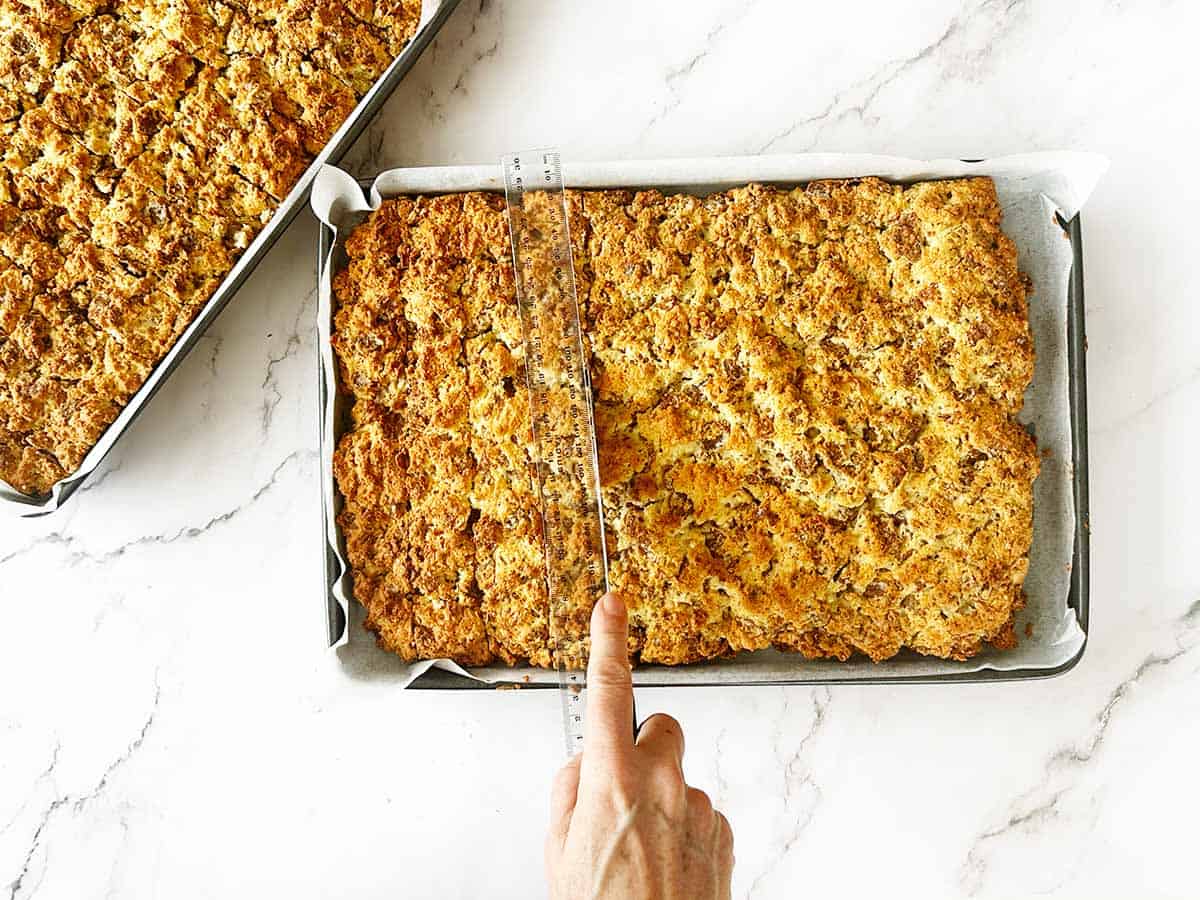
- Cool, then cut. Leave the slabs in the pans until they're firm enough to lift out without breaking - about 20 to 30 minutes. Cut into pieces about 4 x 6 cm (1.5 x 2.5 inches). Use a ruler as a guide and a bread knife or electric knife to keep the cuts clean.
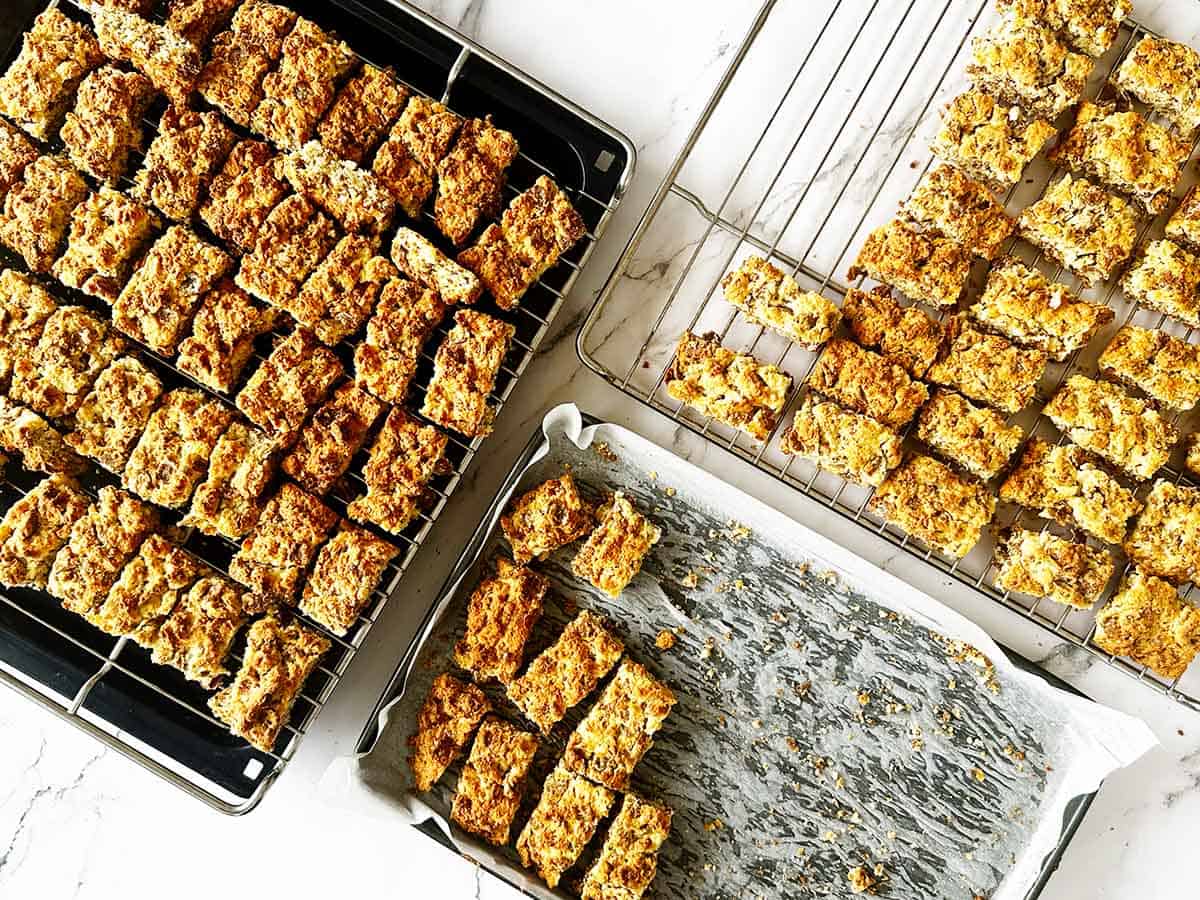
- Arrange for drying. Lay the cut rusks on oven racks with a little space between each one so air can circulate. Slide a tray underneath to catch crumbs.
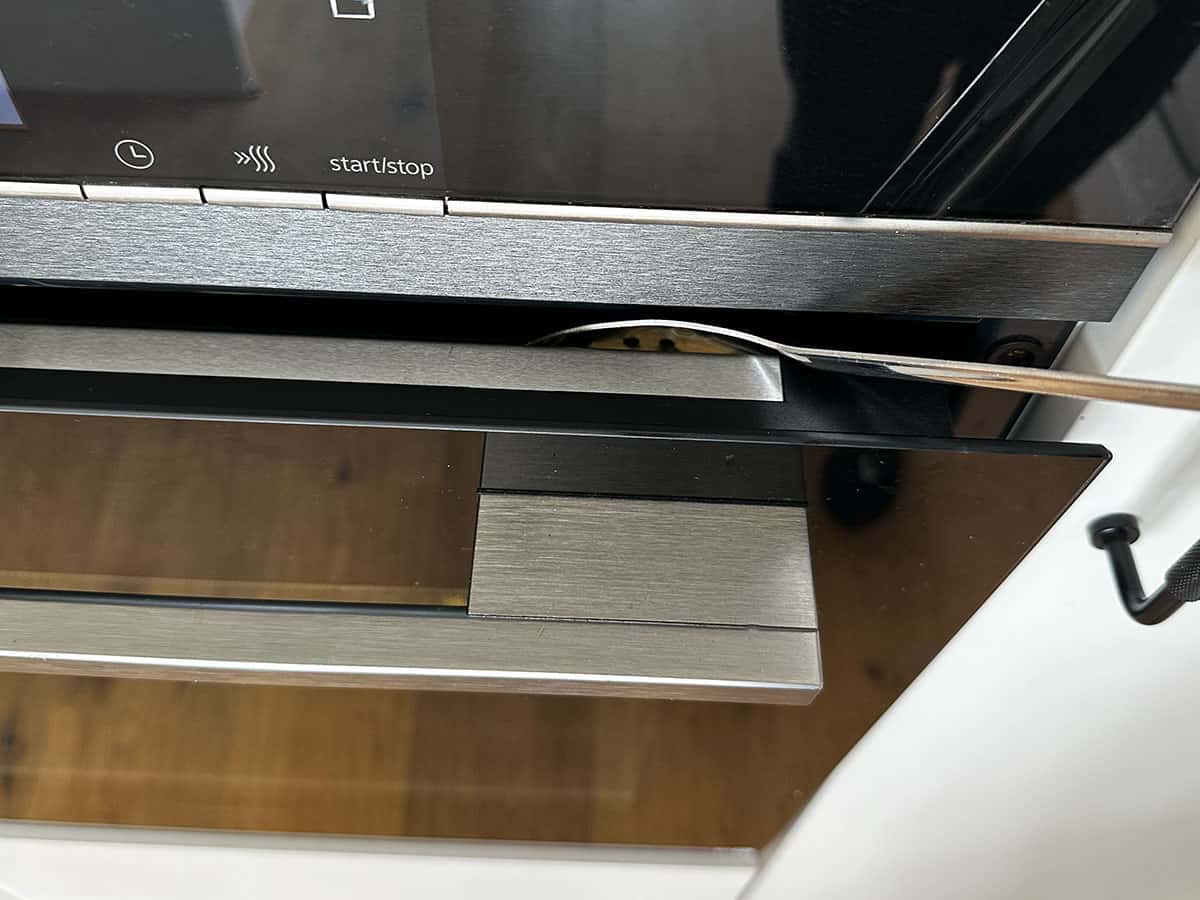
- Dry. Use the oven's drying setting if you have one, or set the oven to 80°C fan-forced (175°F) and prop the door open with a wooden spoon. Dry for at least 6 hours, or overnight, until they're completely dry through the middle.
Substitutions for all bran rusks
- Buttermilk: No buttermilk in the fridge? Stir 1 tablespoon of lemon juice or white vinegar into 250 ml of full-cream milk and let it sit for 10 minutes - it'll curdle slightly and behave just like buttermilk. Plain yoghurt thinned with a splash of milk works too.
- Butter: Stick with butter for the flavour. Margarine works in a pinch but the result is noticeably less rich.
- All Bran flakes (international): All Bran is a Kellogg's brand and the flake version is widely available in Australia, the UK and New Zealand under the same name. In the US, look for Kellogg's All-Bran Complete Wheat Flakes - closest equivalent. Generic supermarket bran flakes (like Tesco or Coles brand) work too, but check the sugar content; some are sweeter than All Bran and you may want to drop the sugar in the recipe slightly. Avoid All-Bran "Buds" or "Original" (the twiggy version) for this recipe - the flakes are what give the right texture.
Variations of all bran rusks
- Seedy all bran rusks: Add 100g of mixed seeds (sunflower, pumpkin, sesame, linseed) to the dry ingredients for extra crunch and a more wholesome feel. For a healthier alternative, try this seed rusk recipe - completely seed-based, no All Bran.
- Oats and pecan all bran rusks: Swap 100g of the All Bran for rolled oats and stir in 100g chopped pecans. Adds chew and a nutty flavour.
- Less sweet: Drop the sugar to 200ml if you prefer a more breakfast-leaning, less treat-leaning rusk. The texture stays the same.
- Raisin and cinnamon: Add a cup of raisins and 1 teaspoon of ground cinnamon to the dry mix for a sweeter, spiced version that's lovely with afternoon coffee.
Serving ideas
- With rooibos or strong black tea: The classic combination. Dunk for 1 to 3 seconds, eat immediately.
- With coffee: The bran texture stands up to a stronger brew without falling apart.
- For breakfast with yoghurt and honey: Crumble one over a bowl of plain yoghurt with a drizzle of honey and some berries. Faster than muesli, and it actually fills you up.
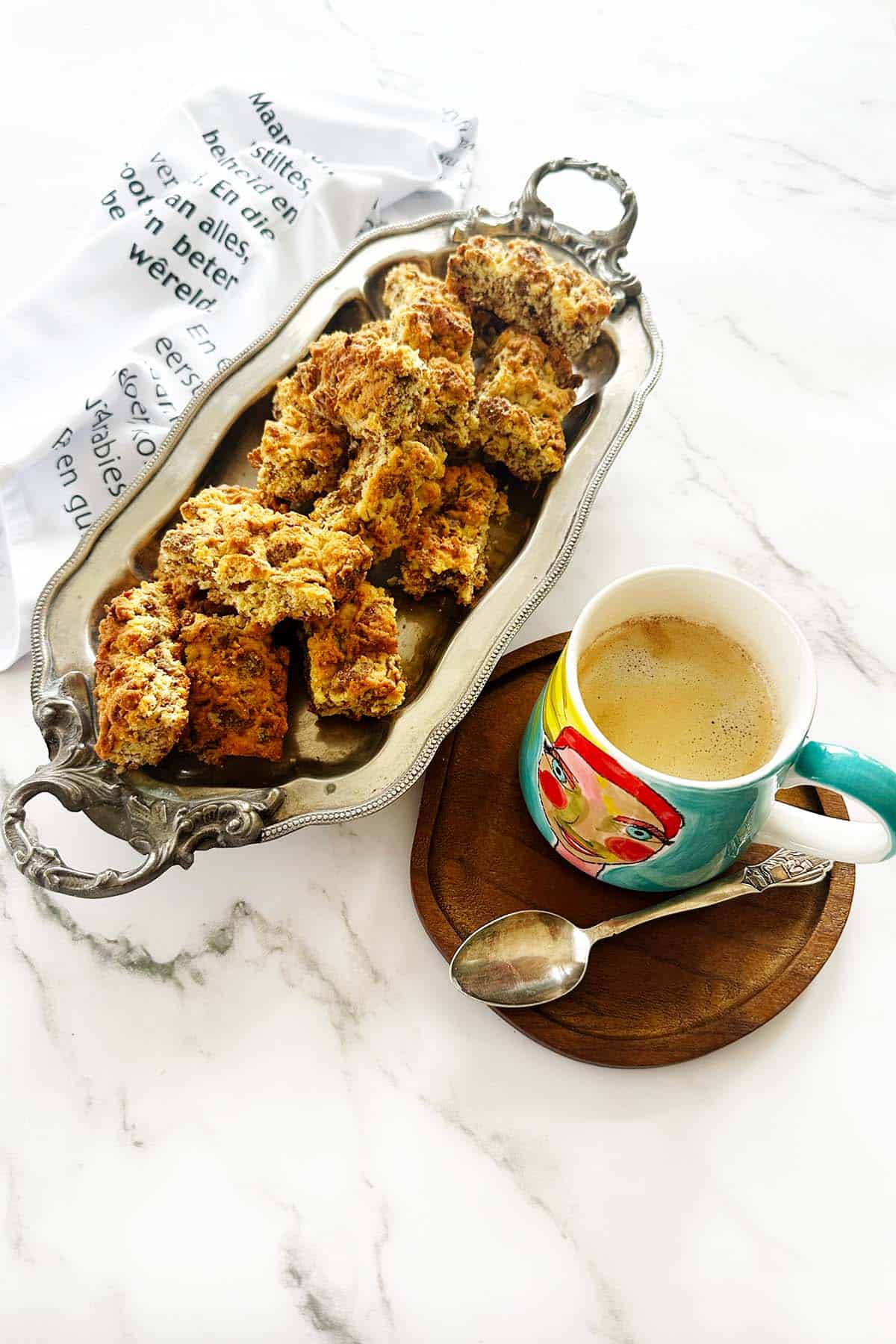
How to store all bran rusks
Cool the rusks completely, then store in an airtight container at room temperature. Properly dried bran rusks keep for at least a month, and often longer. Keep them away from humidity - the only thing that ruins a rusk is moisture sneaking back in.
A few extra notes
- Freezing: Not necessary if they're properly dried. I haven't frozen mine, and would not recommend it.
- Cool fully before storing: Sealing them while any warmth lingers traps steam and softens the centres.
- Use a tin or a sealed jar: Plastic containers work but glass or metal tend to hold the seal better long term.
- If they soften: Pop them back on a rack at 80°C fan-forced (175°F) for 30 minutes to crisp them up again.
Equipment
You don't need anything fancy, but a couple of bits make the job easier.
- Two Swiss roll pans (about 25 x 35 cm / 10 x 14 inches) are ideal - they give you the right slab thickness so the rusks dry evenly. If you only have one Swiss roll pan, bake the slabs one at a time rather than trying to cram everything into a deeper tin.
- A bread knife or, even better, an electric carving knife makes cutting the cooled slab into neat fingers a lot easier - the slab is firm but crumbly, and a serrated edge stops you tearing it.
- A wire rack or oven rack is essential for the drying stage so air can circulate underneath.
- Other than that - a big mixing bowl, a whisk, baking paper, and a wooden spoon. Nothing you don't already have.
Top Tips
- Don't over-mix: Stir until the dough just comes together and stop. Overmixing makes the rusks dense and tough.
- Cool before cutting: If you cut while the slab is still warm and soft, the pieces crumble. Wait until it's firm enough to lift cleanly.
- Leave gaps when drying: Rusks need air around them to dry evenly. Crowded racks give you patchy results - some bone-dry, some still soft inside.
- Drying is not baking: You want them to lose moisture, not brown further. If they're going golden during drying, your oven is too hot - drop the temperature and prop the door open wider.
All bran rusks FAQ
Bran rusks are the closest thing to a healthy rusk in the South African repertoire - All Bran adds real fibre, and they're miles ahead of processed biscuits. Be honest though: this recipe contains butter and sugar, so it's not strictly health food. For a more deliberately health-leaning version, this seed rusk recipe uses seeds, wholemeal and wheat bran. (But they're still a treat, not a health food.)
Rusks are a South African twice-baked dry biscuit, traditionally dunked in tea or coffee. All bran rusks are one of the most popular everyday versions - made with All-Bran flakes, buttermilk and butter, baked as a slab, cut into fingers, then oven-dried until dry. They keep for weeks and soften to perfection when dunked in a cuppa.
A bran rusk from this recipe works out to roughly 115 calories each, based on the full batch yielding 80 rusks. The figure is approximate and varies with how thick you cut them - bigger pieces will be closer to 140, smaller pieces closer to 95.
Yes. All-Bran is Kellogg's branded high-fibre cereal. In South Africa, the flake version (All Bran Flakes) is what this recipe uses. Generic supermarket bran flakes from other brands are similar but vary in sugar and fibre content, so taste a few flakes first - if they're sweeter than All Bran, drop the recipe sugar slightly. Both work; expect minor texture differences.
More South African recipes
If these all bran rusks have you in a South African baking mood, there's plenty more where they came from. The crustless milk tart is the easy version of the SA classic - no pastry to fuss with. Easy malva pudding recipe is the warm, syrupy dessert every South African "tannie" has on rotation. And if you've never tried peppermint crisp tart, it's the no-bake party trick - easy to make ahead of time in under 20 minutes.
South African desserts
Looking for other recipes like this All bran rusks recipe? Try these:

If you make this all bran rusks recipe, please leave a 🌟 star rating and a comment below to let me know how it turned out. And if you love it, save it to your favourite Pinterest board so you've always got the recipe to hand.
Print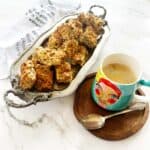
All Bran Rusks
- Total Time: 7 hours 5 minutes
- Yield: 80 1x
Description
This recipe makes 80, which sounds mad until you realise that's about a month's worth of breakfast dunkers for one person or two! They keep for weeks in an airtight tin, and they're cheaper to make than to buy.
Ingredients
1 kg self-raising flour
300 g All bran wheat flakes
5 ml salt
7.5 ml baking powder
250 ml sugar
500 g butter, melted
500 ml buttermilk
2 large eggs
 Get Recipe Ingredients
Instructions
- Preheat oven: Preheat oven to 160°C fan-forced (320°F). Lightly grease 2 Swiss roll pans and line with baking paper.
- Mix dry ingredients: Add the self-raising flour, All Bran, salt, baking powder, and sugar to a very large bowl. Mix well.
- Mix wet ingredients: In a separate bowl or jug, whisk together the melted butter, buttermilk, and eggs until smooth.
- Combine: Make a well in the centre of the dry ingredients and pour in the wet mixture. Stir gently until the dough just comes together. Finish mixing lightly with your hands if needed. Do not overmix.
- Fill pans: Divide the dough evenly between the prepared pans. Use your hands or the back of a wooden spoon to spread and level it evenly. Do not press too firmly.
- Bake: Bake for 30-45 minutes or until golden on top and a skewer inserted into the centre comes out clean. Cover with foil if it browns too fast and not cooked in middle.
- Cool and cut: Leave to cool in the pans until firm enough to handle. Cut into pieces about 4 x 6 cm (1.5 x 2.5 inches). Use a ruler to keep the lines straight, and cut with a bread knife or electric knife for neat slices.
- Prepare to dry: Arrange the rusks on oven racks, leaving space between them so air can circulate. Place a tray underneath to catch crumbs.
- Dry: Use the oven drying setting if you have one, or dry at 80°C fan-forced (175°F) with the oven door propped open slightly using a wooden or metal spoon. Dry for at least 6 hours or overnight, until the rusks are completely dry in the centre.
- Cool and store: Cool completely, then store in an airtight container for at least 1 month if properly dried.
Notes
- Do not overmix: A light hand gives a better, crunchier rusk. Overmixing can make them dense.
- Press lightly: When spreading the dough in the pans, level it gently without compacting it too much.
- Cool before cutting: Cutting too soon can make the slabs crumble.
- Use a ruler: This helps keep your rusks even and neat.
- Drying is essential: The centre must be fully dry. Break one open to check. If there is any softness in the middle, dry them longer.
- Do not let them brown while drying: You want them to dry out completely, not bake further.
- Leave gaps between the rusks: This helps them dry evenly.
- Best not doubled: Large batches are harder to mix evenly.
- Prep Time: 20
- Drying: 360
- Cook Time: 45
- Category: Baking
- Method: Oven
- Cuisine: South African
Nutrition
- Serving Size:
- Calories: 118
- Sugar: 3.7 g
- Sodium: 214.9 mg
- Fat: 5.6 g
- Carbohydrates: 15.4 g
- Fiber: 1 g
- Protein: 2 g
- Cholesterol: 18.8 mg
More South African rusk recipes
If you've made these All Bran rusks and want to explore more of the rusk family, here's what's on the way and what's already on the site. I'll be adding these classic variations over the next few months - come back and try them all.
- Seed Rusks - wholewheat, four-seed, bran. The other side of the bran rusk coin. (Live now)
- Buttermilk Rusks - the South African rusk. Buttery, plain, and the foundation every other variation builds on. (Coming soon)
- Condensed milk rusks - sweeter and softer, with that distinctive caramel note. (Coming soon)
- Muesli rusks - oats, seeds, and dried fruit packed into every batch. The healthy rusk most South Africans grew up on. (Coming soon)
- Aniseed rusks - distinctive liquorice flavour. A proper Boere tradition. (Coming soon)
- Fruit and nut rusks - packed with raisins, dried fruit, and nuts. (Coming soon)
- Mosbolletjies - twice-baked yeasted rusks with grape must. A Cape tradition. (Coming soon)